


Our new campaign: Live now. Drive now.


The world keeps changing, and you change with it. That’s why we’re launching our new campaign: Live now. Drive now. At SuperShortlease, you drive in the way that suits you right now: flexibly and without a long lease contract.
From mid-November 2026 to the end of January 2027, you’ll come across us online, on social media and along the motorway. In this blog, you’ll read what the campaign is about and where you can spot us.
The world doesn’t wait. Neither do you.
Organisations grow, projects start and stop, and people join and leave. People move house, emigrate or wait for a new car. What your situation looks like today could be completely different tomorrow.
Sometimes you choose it, sometimes it just happens. That’s life. Which is exactly why you don’t want to be tied to a lease contract for years, but to drive in the way that suits where you are right now.
With SuperShortlease, you can. After the first month, you can cancel your contract on any day. Would a different car suit your new situation better? Then you simply switch, as long as that car’s available. Super flexible!
Do you recognise your situation?
A short lease car is there for the moments when your life or business is on the move. For example, when:
- You’re waiting for your new car: bridge the delivery time without being tied to a long contract.
- You’re starting a new assignment: as a freelancer, you drive for exactly as long as the job lasts.
- Your team is growing or shrinking: your fleet moves with your organisation.
- You’re coming to the Netherlands: moving here or working here for a while? Your car will be ready at Schiphol.
- You need more space for a while: choose a minibus for the whole team or family.
- You want to try electric: find out how electric driving suits you first, then decide.
Two moments, one story
In the campaign, you’ll see the same main characters in two consecutive situations. Their lives change, and so does the car they need. So look closely: the details that appear in both images tell the story in between, with a wink.
Because your life won’t wait. From coconuts on the beach to baby bottles for two. The surfboard’s still on the wall, but the car has grown with the family.
Because your business won’t wait. From a start-up in a warehouse to an office on the waterfront. The motto’s still on the wall, but the car has grown with the business.
Curious about the images? You’ll find them on our campaign page.
Where you’ll see us
The campaign runs from mid-November 2026 to the end of January 2027. Chances are you’ll come across us somewhere in the coming weeks:
- Online display: in week 48 and week 2, you’ll see our seamless ads on various DPG Media news platforms.
- LinkedIn, Facebook and Instagram: from mid-November to the end of January.
- Digital out-of-home advertising: in week 48 and week 2 on digital screens along the motorway and at petrol stations.
- Fleet & Lease: the December issue of this trade magazine features an article about SuperShortlease.
- AutomotiveOnline: you can also read about us in its annual ‘Oliebollenspecial’, published in December.
SuperShortlease’s 5 promises
Live now. Drive now. is more than a slogan. It’s in everything we do, summed up in five promises:
- Fast: in most cases, you’ll be driving your short lease car within a day.
- Flexible: after the first month, you can cancel your contract on any day. Need a different car? Then you switch.
- Simple: one all-in monthly rate. The only thing you do yourself is fill up or charge.
- Stress-free: breakdown, damage or maintenance? From day 2, the cost of your replacement car is on us.
- Customer-focused: we deliver and collect your car anywhere in the Netherlands, and we’re always here for you personally.
You’re in the driving seat
Whether you’re waiting for your new car, starting a new assignment or beginning a new chapter with your family: you choose the car that suits you right now. For one month, six months or longer.
Take a look at our available cars and discover which ones are ready for you straight away. Live now. Drive now.
Need help?
Our team is happy to help. Send us a WhatsApp, give us a call or drop us an email, or find the answer straight away in our FAQs.

WhatsApp us
+31 6 29518248

Call us
+31 88 996 0100

Email us
A quick answer to your question

FAQs
Read the answers
Related articles
Compare our competitive deals
- Flexible from 1 month
- Personal service, sorted quickly
- Switch to electric with ease

Questions about short lease? Gideon is happy to help you get started!
We are happy to work with you to find a suitable short lease solution.
Brands
A selection of our brands
We supply all brands and all classes of passenger cars and commercial vehicles. Whether you are looking for a BMW, Audi, Tesla or Volvo.

Kia

Renault

Volkswagen

BMW

Skoda

Volvo
Categories
SUV


Hatchback

Estate

Van

Saloon

Minibus

SUV
Hatchback
Estate
Van
Saloon
Minibus
SUV
Hatchback
Estate
Van
Saloon
Minibus
Prinsjesdag 2026: the key changes

Index
Jump to
Highlights: what you need to know
1. Pseudo-final levy changes the business case for company cars
2. Transitional arrangement offers opportunities until 2031
3. Benefit in kind for electric cars is going up
4. Road tax advantage for electric cars remains for a few more years
5. More zero-emission zones on the way
6. Less admin for medium-sized employers
7. Possible ‘greentimer’ scheme for used EVs
About the author

On Prinsjesdag (the Dutch Budget Day), the government presented its tax plans for 2027. The new measures bring important changes, especially for employers with a company fleet. The biggest impact comes from the introduction of the new pseudo-final levy on non-electric cars. At the same time, electric vehicles remain attractive from a tax point of view, despite some advantages being phased out further.
For organisations thinking about the future of their mobility policy, now is the time to look ahead. Below, we’ve rounded up the key developments.
Highlights: what you need to know
- New pseudo-final levy of 12% for new petrol, diesel and hybrid lease cars from 2027
- Transitional arrangement until 1 January 2031 for cars provided before 1 January 2027
- Benefit in kind for new electric cars rises to 20% in 2027
- Road tax (MRB) discount for electric cars remains for now
- More zero-emission zones in Dutch municipalities
- Less admin thanks to a higher threshold for CO₂ reporting
- Possible incentive for used electric cars through a new ‘greentimer’ scheme
1. Pseudo-final levy changes the business case for company cars
The most far-reaching change is the introduction of the pseudo-final levy (pseudo-eindheffing) for new passenger cars that aren’t fully electric.
From 1 January 2027, as an employer you’ll pay an extra tax when you provide a petrol, diesel or hybrid car to an employee who also uses it privately. Commuting counts as private use too.
The levy is 12% of the car’s list price per year and comes on top of the existing tax rules.
A worked example
Say you provide a hybrid lease car with a list price of €45,000 in 2027.
The pseudo-final levy is then:
- 12% of €45,000
- = €5,400 per year
- = €450 per month
These costs are entirely for the employer and can’t be passed on to the employee.
For many organisations, this will have a significant impact on the Total Cost of Ownership (TCO) of the fleet.
2. Transitional arrangement offers opportunities until 2031
Luckily, there’s good news too for organisations that can’t go fully electric straight away.
A transitional arrangement applies to cars already provided to an employee before 1 January 2027. No pseudo-final levy has to be paid for these vehicles until 1 January 2031.
That makes the timing of replacements more important than ever.
Note that just signing a lease contract or placing an order isn’t enough. The car must actually have been provided to the employee before 1 January 2027.
For many businesses, this may be a reason to bring planned replacements forward in the coming months.
3. Benefit in kind for electric cars is going up
The tax treatment of electric lease cars is changing too.
In 2026, the following still applies:
- 18% benefit in kind on the first €30,000 of the list price
From 2027, this becomes:
- 20% benefit in kind
And from 2028:
- The standard benefit-in-kind rate of 22%
For employees, this means a slightly higher benefit in kind.
At the same time, a fully electric car remains exempt from the new pseudo-final levy. That actually makes electric driving more attractive from an employer’s perspective.
When you factor in all the costs, the advantage of electric driving over petrol, diesel and hybrid cars grows even further.
4. Road tax advantage for electric cars remains for a few more years
The tax advantages for electric cars are being phased out gradually, but won’t disappear straight away.
The discount on road tax (MRB) remains for now:
- 2027: 30% discount
- 2028: 30% discount
- 2029: 25% discount
- From 2030: no discount
Although the advantage is getting smaller, it remains an important factor in the total running costs of a vehicle for many organisations.
5. More zero-emission zones on the way
More and more municipalities are introducing zero-emission zones.
In 2027, new zones are expected in places including:
- Alphen aan den Rijn
- Venlo
From 2028, further expansions will follow, including:
- Almere
For business owners who regularly visit city centres or work in urban areas, it’s becoming increasingly important to think about how usable vehicles will be in future.
A commercial vehicle that’s perfectly fine today may have limited access to certain areas in a few years’ time.
6. Less admin for medium-sized employers
A positive change for many employers is the adjustment of the threshold for the CO₂ reporting obligation.
From 1 January 2027, this threshold will be raised from:
- 100 employees
- To 250 employees
As a result, the admin obligation no longer applies to a large number of medium-sized organisations.
That saves time, paperwork and reporting obligations.
7. Possible ‘greentimer’ scheme for used EVs
The government is also looking into a so-called ‘greentimer’ scheme.
The proposal aims to make used electric cars between five and eight years old more attractive through a lower benefit-in-kind rate of 14%.
The scheme is provisionally planned for 2028, but still needs to be worked out further before it’s finalised.
If these plans go ahead, they could give the market for second-hand electric lease cars a real boost.
What does this mean for your fleet?
Although 2027 might still seem a while off, a lot of decisions are being made right now. Lease contracts signed today often run for several years, so the moment a vehicle is replaced can make a difference of thousands of euros in the total costs.
For many organisations, these are the key questions:
- Which lease contracts end before 2027?
- Which cars will fall under the transitional arrangement?
- Is going fully electric feasible within the organisation?
- What impact does the pseudo-final levy have on the fleet budget?
- Is it wise to bring planned replacements forward?
By getting a clear picture of these developments now, you’ll avoid surprises once the new rules come into force.
Conclusion
Prinsjesdag 2026 marks a major turning point for business mobility. With the introduction of the pseudo-final levy, it’ll be considerably more expensive from 2027 to provide new petrol, diesel and hybrid cars to employees.
At the same time, electric driving remains attractive from a tax point of view, thanks to the exemption from this new levy and the temporary road tax discount. For organisations that can’t go fully electric yet, the transitional arrangement until 2031 offers extra time to plan the switch carefully.
If you want to keep a grip on mobility costs in the coming years, it’s wise to review your fleet now.
FAQs
What is the pseudo-final levy?
The pseudo-final levy is an extra employer tax of 12% of the list price for new non-electric passenger cars provided to employees for business and private use from 1 January 2027.
Does the pseudo-final levy also apply to hybrid cars?
Yes. The rules apply to petrol, diesel, LPG and hybrid cars. Only fully electric cars are exempt.
When does the transitional arrangement apply?
A transitional arrangement until 1 January 2031 applies to cars actually provided to an employee before 1 January 2027.
Is a signed lease contract enough for the transitional arrangement?
No. The car must actually have been provided to the employee before 1 January 2027.
Is the benefit in kind for electric cars going up?
Yes. The benefit-in-kind rate rises to 20% in 2027 and to 22% from 2028.
Will the road tax discount for electric cars remain?
Yes. In 2027 and 2028, there’s still a 30% discount on road tax (MRB). From 2029, it’ll be 25%, and from 2030 the discount ends.
What’s changing in the CO2 reporting obligation?
From 2027, the threshold moves from 100 to 250 employees. As a result, the obligation no longer applies to many medium-sized employers.
Why is this relevant for shortlease?
Shortlease offers flexibility in a market where laws and regulations change fast. Organisations can respond more easily to tax changes, zero-emission zones and changing mobility needs without taking on long-term commitments.
Need help?
Our team is happy to help. Send us a WhatsApp, give us a call or drop us an email, or find the answer straight away in our FAQs.
WhatsApp us
+31 6 29518248
Call us
+31 88 996 0100
Email us
A quick answer to your question
FAQs
Read the answers
Related articles
Compare our competitive deals
- Flexible from 1 month
- Personal service, sorted quickly
- Switch to electric with ease
Questions about short lease? Gideon is happy to help you get started!
We are happy to work with you to find a suitable short lease solution.
Brands
A selection of our brands
We supply all brands and all classes of passenger cars and commercial vehicles. Whether you are looking for a BMW, Audi, Tesla or Volvo.
Kia
Renault
Volkswagen
BMW
Skoda
Volvo
Categories
SUV
Hatchback
Estate
Van
Saloon
Minibus
SUV
Hatchback
Estate
Van
Saloon
Minibus
SUV
Hatchback
Estate
Van
Saloon
Minibus

Index
About the author
Government extends transitional arrangement for company cars: exemption extended until 2031.
From 1 January 2027, a lot is changing for employers who provide employees with a company car. That’s because a new tax measure is on the way: the pseudo-final levy (pseudo-eindheffing) on non-electric company cars. For many business owners, it could affect their fleet, lease contracts and future mobility choices.
Although the pseudo-final levy was already set out at the end of 2025 in the 2026 Tax Plan, the extension of the transitional arrangement – important for business owners – was only announced in June 2026. As a result, cars provided to employees before 1 January 2027 are expected to remain exempt from the pseudo-final levy until 1 January 2031.
What is the pseudo-final levy?
The pseudo-final levy applies to employers who provide an employee with a passenger car that can also be used privately. For tax purposes, commuting counts as private use.
The measure is intended to encourage the switch to fully electric business mobility. For non-electric passenger cars newly provided from 1 January 2027, it can mean extra costs for the employer.
The rules apply to:
- Petrol cars
- Diesel cars
- LPG cars
- Hybrid cars
Vans are not covered by these rules.
The transitional arrangement: a key opportunity until 2031
For many business owners, the transitional arrangement is the most interesting part of the new rules.
Already provided a company car to an employee before 1 January 2027? Then you won’t have to pay the pseudo-final levy for that car until 1 January 2031.
That gives certainty to businesses that can’t switch fully to electric driving yet.
Good to know
The transitional arrangement continues to apply if:
- The same car is assigned to another employee within the company.
- There is a merger or takeover.
The transitional arrangement doesn’t lapse automatically, but note:
- If an employee moves to another employer with the same car, the transitional arrangement doesn’t automatically transfer.
Not just ordering, but actually providing the car
An important detail is that placing an order or signing a lease contract isn’t enough.
To benefit from the transitional arrangement, the car must actually have been provided to the employee before 1 January 2027.
So it pays to arrange any replacements or new lease contracts in good time. Waiting until the last minute could mean a vehicle falls outside the transitional arrangement.
Temporary exceptions
The legislator has taken into account practical situations where an electric car is temporarily unavailable.
Replacement transport for damage or maintenance
Is an electric car temporarily out of use because of:
- Damage repair
- Breakdown
- Long-term maintenance
Then a non-electric replacement car may be used for up to 14 consecutive calendar days without the pseudo-final levy applying.
Is the electric car taken out of use again later? Then this exception can be used again.
Need a hire car for a while?
Sometimes you temporarily need extra capacity – during a busy period, for a project or because a vehicle delivery is delayed, for example.
Until 1 January 2031, under certain conditions, a non-electric hire car may be used once a year per car for up to 7 consecutive calendar days without the pseudo-final levy.
Always keep the hire details and the business justification.
What does this mean for your fleet?
For business owners and fleet managers, now is the time to plan ahead.
Map out:
- Which cars are currently assigned to employees
- When lease contracts end
- Which vehicles will be replaced in the coming years
- Whether fully electric driving is practically feasible within the organisation
Businesses that aren’t ready to go fully electric yet could benefit a lot from the transitional arrangement by taking action in time.
Why think about shortlease now?
In the coming years, many organisations will be looking for flexibility in their mobility policy. With shortlease or flexible lease arrangements, you can respond to changing regulations without being tied straight into long contracts.
Right now, it may be worth looking into which vehicles still need to be provided before 2027 to benefit from the transitional arrangement until 2031.
Conclusion
The introduction of the pseudo-final levy from 2027 makes your choice of business mobility more important than ever. For businesses that can’t go fully electric yet, the transitional arrangement offers a valuable way to postpone extra costs until 2031.
The most important advice? Don’t wait until the end of 2026. Review your fleet, lease contracts and replacement dates in good time, so you can make the most of the transitional arrangement.
What is the pseudo-final levy for company cars?
The pseudo-final levy is an extra employer levy that may apply from 1 January 2027 to non-electric passenger cars provided to employees for both business and private use.
Which cars does the pseudo-final levy apply to?
The rules apply to petrol, diesel, LPG and hybrid passenger cars provided to an employee for the first time from 1 January 2027. Vans are not covered.
When does the transitional arrangement apply?
The transitional arrangement applies to cars actually provided to an employee before 1 January 2027. No pseudo-final levy has to be paid for these cars until 1 January 2031.
Is signing a lease contract enough for the transitional arrangement?
No. It’s not enough to sign the lease contract – the car must actually have been provided to the employee before 1 January 2027.
Does the transitional arrangement also apply to used cars?
Yes. The rules look at when the car is provided to an employee, not at the age of the vehicle.
Can the transitional arrangement lapse if an employee changes?
Within the same company, the transitional arrangement continues to apply if another employee gets the same car. If someone moves to another employer, the arrangement doesn’t automatically transfer.
Are hybrid cars exempt from the pseudo-final levy?
No. Hybrid cars are covered by the rules too. Only fully electric passenger cars avoid the pseudo-final levy.
Can I temporarily use a non-electric replacement car?
Yes. In case of damage, a breakdown or long-term maintenance of an electric car, a non-electric replacement car may be used for up to 14 days without the pseudo-final levy.
How can I prepare for the new rules?
Check in good time which lease contracts are ending, which cars need replacing and whether it’s possible to provide vehicles before 1 January 2027 to benefit from the transitional arrangement.
Need help?
Our team is happy to help. Send us a WhatsApp, give us a call or drop us an email, or find the answer straight away in our FAQs.
WhatsApp us
+31 6 29518248
Call us
+31 88 996 0100
Email us
A quick answer to your question
FAQs
Read the answers
Related articles
Compare our competitive deals
- Flexible from 1 month
- Personal service, sorted quickly
- Switch to electric with ease
Questions about short lease? Gideon is happy to help you get started!
We are happy to work with you to find a suitable short lease solution.
Brands
A selection of our brands
We supply all brands and all classes of passenger cars and commercial vehicles. Whether you are looking for a BMW, Audi, Tesla or Volvo.
Kia
Renault
Volkswagen
BMW
Skoda
Volvo
Categories
SUV
Hatchback
Estate
Van
Saloon
Minibus
SUV
Hatchback
Estate
Van
Saloon
Minibus
SUV
Hatchback
Estate
Van
Saloon
Minibus
Tachograph requirements and legislation for shortlease commercial vehicles
Index
About the author

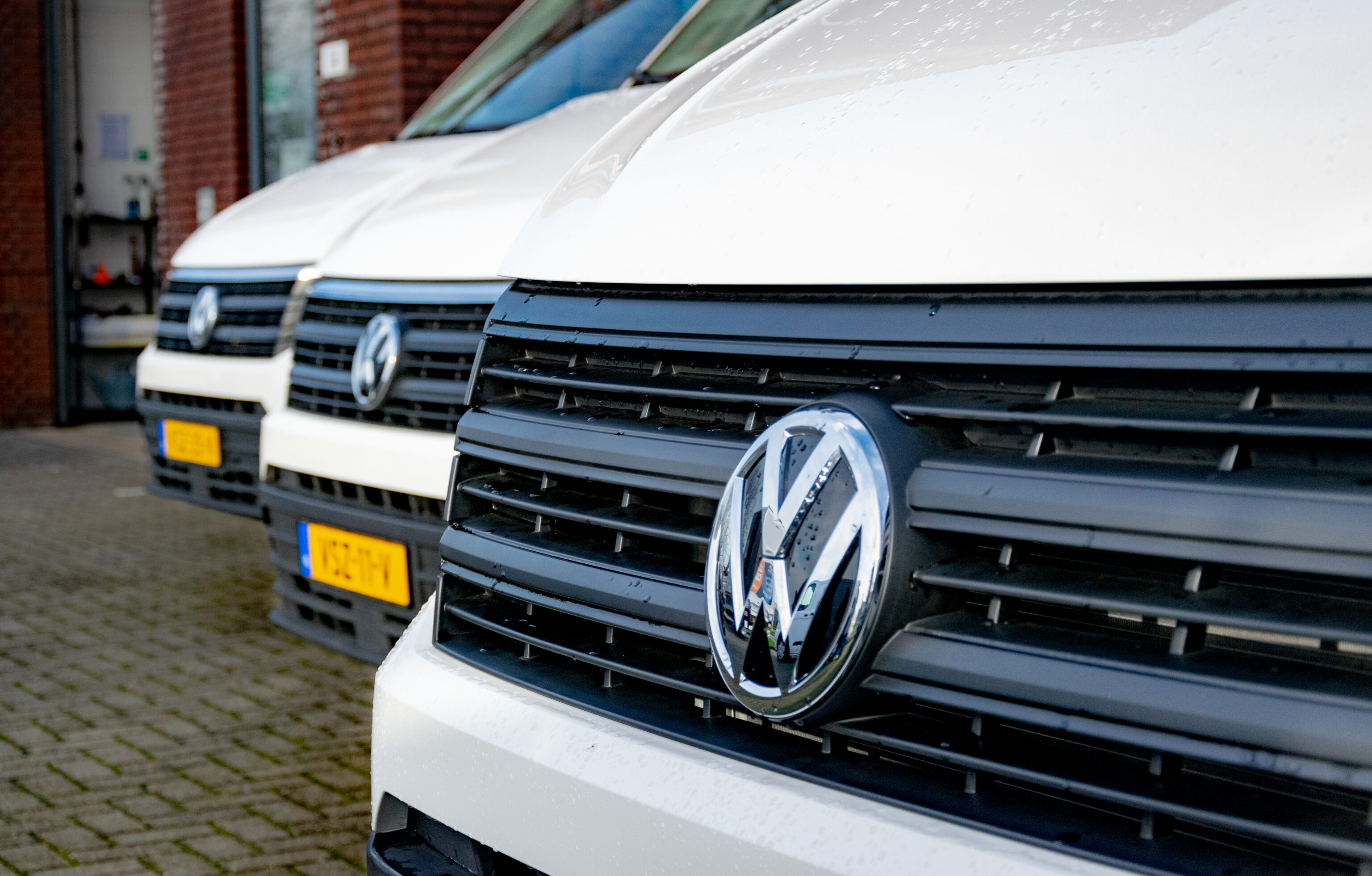
If you use a shortlease commercial vehicle from SuperShortlease, it’s important to understand the applicable laws and regulations.
Our commercial vehicles are not fitted with a tachograph as standard. Responsibility for compliance lies entirely with the driver/hirer.
Responsibility of the hirer
When using a shortlease commercial vehicle, you are responsible for:
- Compliance with the tachograph requirement (where applicable)
- Correct application of driving and rest times
- Compliance with national and international transport legislation
All risks in the event of an inspection or violation lie with the user of the vehicle.
When a tachograph applies
Whether a tachograph is required depends on factors including:
- The type of transport (professional or on own account)
- The total weight of the vehicle and combination
- National or international use
Exceptions
From 1 July 2026, vans used for international goods transport or cabotage will also be brought under the driving and rest time rules. In those situations, a personal tachograph card is mandatory and the recorded driving data must be downloaded, monitored and checked.
Exceptions apply to, among others:
- Transport of your own goods, provided driving isn’t your main activity (max. 12 hours per week)
- Non-commercial goods transport up to 7.5 tonnes
- Specific sectors such as agriculture, horticulture, fishing and emergency services within a limited radius
Important disclaimer
- SuperShortlease vehicles are not fitted with a tachograph
- No assessment is made of use or obligations
- The hirer must independently assess whether all legal requirements are met
Do you need a tachograph?
A tachograph isn’t mandatory in all lorries, buses and vans – it depends on several factors. Want to know whether you need to drive with a tachograph? Then check the step-by-step guide from the Human Environment and Transport Inspectorate (ILT).
Need help?
Our team is happy to help. Send us a WhatsApp, give us a call or drop us an email, or find the answer straight away in our FAQs.
WhatsApp us
+31 6 29518248
Call us
+31 88 996 0100
Email us
A quick answer to your question
FAQs
Read the answers
Related articles
Compare our competitive deals
- Flexible from 1 month
- Personal service, sorted quickly
- Switch to electric with ease
Questions about short lease? Gideon is happy to help you get started!
We are happy to work with you to find a suitable short lease solution.
Brands
A selection of our brands
We supply all brands and all classes of passenger cars and commercial vehicles. Whether you are looking for a BMW, Audi, Tesla or Volvo.
Kia
Renault
Volkswagen
BMW
Skoda
Volvo
Categories
SUV
Hatchback
Estate
Van
Saloon
Minibus
SUV
Hatchback
Estate
Van
Saloon
Minibus
SUV
Hatchback
Estate
Van
Saloon
Minibus
Tips for going on holiday in your electric car
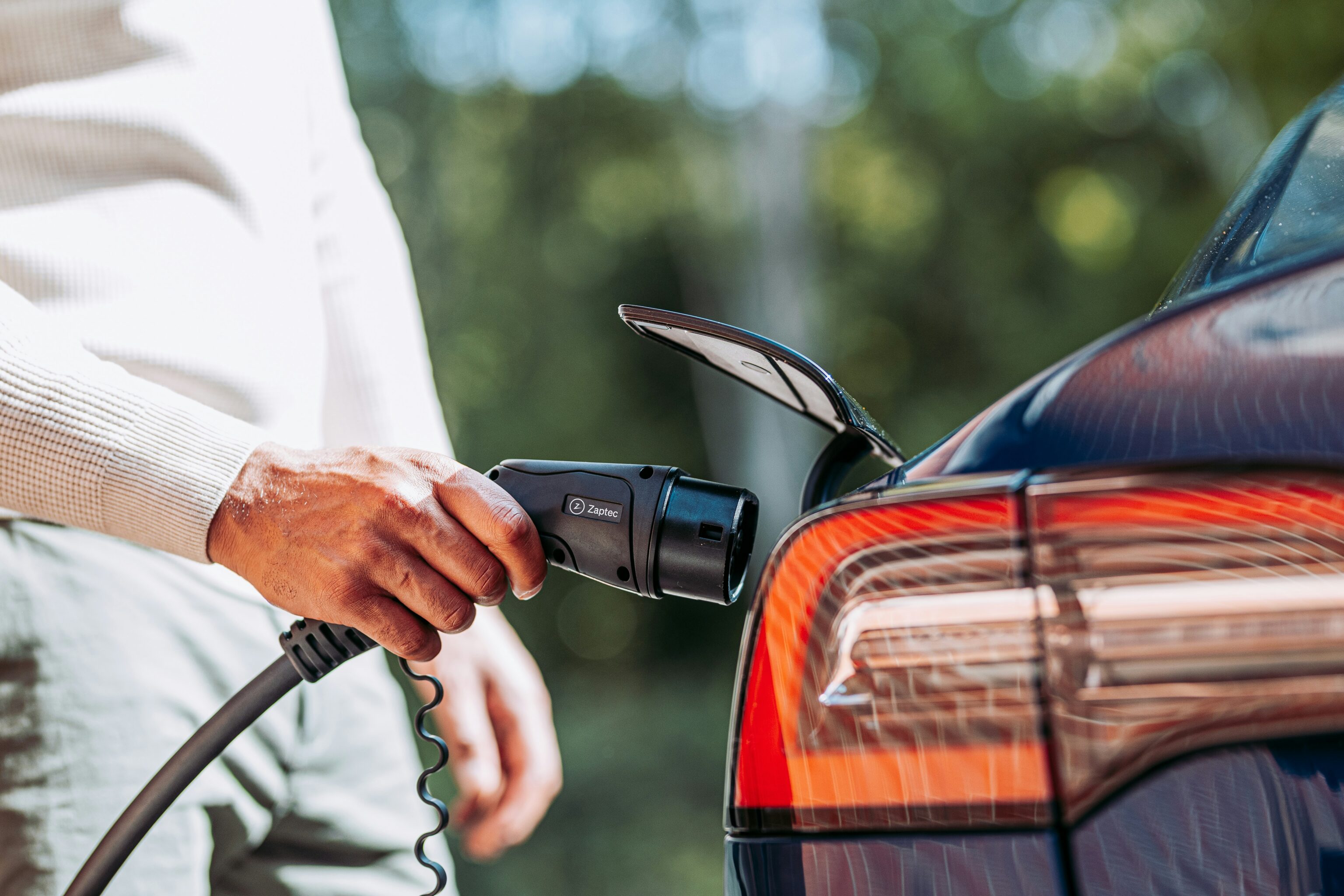
Going on holiday in your electric car? With these six tips, you’ll be well prepared, plan your charging stops cleverly and get the most out of your range.
1. Plan your route in advance
While you can fill up a petrol or diesel car pretty much anywhere, it’s less straightforward with electric cars. So it’s smart to plan your route in advance and check where the charging points are.
Use handy apps or sat navs that show charging points along the way. That way, you avoid surprises and know you can always charge when you need to.
2. Check charging cards and rates
Abroad, not all charging cards work the same way as in the Netherlands. So check whether your charging card works in the countries you’ll be travelling through.
Consider taking an extra charging card as a back-up. Rates can also vary between providers, so it’s worth looking into this beforehand.
3. Allow for charging time
Charging takes longer than filling up. Rapid charging is pretty quick these days, but you’re still stopped for longer than with a traditional fill-up.
So plan your charging stops cleverly – during a lunch break or coffee stop, for example. That way, you don’t lose extra time and your journey stays comfortable.
4. Think about your driving style
Your driving style has a big impact on your electric car’s consumption. By driving calmly and accelerating gradually, you’ll increase your range.
Use regenerative braking where possible and avoid unnecessarily high speeds. That makes your journey more efficient and means you’ll need to charge less often.
5. Watch your luggage and weight
The heavier the car, the higher the energy consumption. If you’re going on holiday with lots of luggage or a roof box, that can affect your range.
So try to pack smart and only take what you really need. That saves not just space, but also charging stops along the way.
6. Check the weather and your destination
Temperature affects your battery’s performance. In cold conditions, your range goes down. Mountainous areas also demand more from your battery.
Take this into account when planning your route and charging stops, so you don’t get any surprises.
Need help?
Our team is happy to help. Send us a WhatsApp, give us a call or drop us an email, or find the answer straight away in our FAQs.
WhatsApp us
+31 6 29518248
Call us
+31 88 996 0100
Email us
A quick answer to your question
FAQs
Read the answers
Related articles
Compare our competitive deals
- Flexible from 1 month
- Personal service, sorted quickly
- Switch to electric with ease
Questions about short lease? Gideon is happy to help you get started!
We are happy to work with you to find a suitable short lease solution.
Brands
A selection of our brands
We supply all brands and all classes of passenger cars and commercial vehicles. Whether you are looking for a BMW, Audi, Tesla or Volvo.
Kia
Renault
Volkswagen
BMW
Skoda
Volvo
Categories
SUV
Hatchback
Estate
Van
Saloon
Minibus
SUV
Hatchback
Estate
Van
Saloon
Minibus
SUV
Hatchback
Estate
Van
Saloon
Minibus
According to recent reports, the House of Representatives has asked the government to find solutions for the undesirable effects of the levy. The government has to report on this by 1 June 2026 at the latest.
What did the House of Representatives decide?
On 1 April 2026, the House of Representatives voted by a large majority for a motion from the CDA and VVD to look for ways to address the effects of the pseudo-final levy.
The motion focuses mainly on bottlenecks raised by employers and the sector in a joint letter from BOVAG and twenty employers’ and trade organisations.
Where exactly are the pain points?
The motion and the letter mention several bottlenecks:
- Replacement transport: employers could face an extra levy if an employee temporarily gets a fossil-fuel replacement car, for example in case of damage or maintenance.
- Damage repair and rental companies: not all companies can switch quickly enough to electric replacement or lease vehicles.
- Admin burden: the rules involve a lot of extra admin, especially for temporary vehicles that aren’t fully electric.
Employers’ organisations are calling for the pseudo-final levy to be limited to the permanent company car, rather than taxing every temporary fossil-fuel vehicle.
What does this mean for employers and fleet management?
Although the motion doesn’t mean the pseudo-final levy will be withdrawn immediately, it sends a clear signal that the rules may be adjusted before they come into force. Employers can take the following into account:
- Make use of the transitional period: current lease contracts from before 1 January 2027 remain exempt until at least 17 September 2030.
- Wait for talks with sector organisations: the government has been tasked with looking at feasibility and exceptions together with trade associations and employers’ organisations.
- Develop a strategic fleet policy: fossil-fuel vehicles are becoming less financially attractive. Investing in electric or hydrogen cars can lower costs while supporting sustainability goals. Check out our current range of electric lease cars at SuperShortlease.
What do these developments mean in practice?
As an employer, do I need to change my lease contracts now?
Not straight away. Current contracts from before 1 January 2027 fall under the transitional arrangement. It is wise, though, to assess which vehicles will be subject to the levy and whether switching to electric or hydrogen would pay off.
Are temporary replacement cars taxed too?
That’s a key bottleneck raised by the House of Representatives. The government is looking into whether the levy should only apply to the permanent company car, so that temporary replacement transport isn’t taxed.
When will it be clear how the rules will be adjusted?
The government will report to the House of Representatives on possible solutions and exceptions by 1 June 2026 at the latest.
What can I do to limit costs?
- Choose electric or hydrogen cars where possible.
- Limit private use of vehicles.
- Plan new contracts strategically, so fossil-fuel vehicles are used deliberately.
Does this affect my fleet policy?
Yes. Employers can adjust their fleet strategies to limit costs, for example by replacing fossil-fuel vehicles or building in extra flexibility through pool cars or mobility budgets.
Conclusion
The pseudo-final levy is staying, but the House of Representatives has instructed the government to work with trade organisations to find solutions for the bottlenecks. That gives employers the chance to adjust their fleet strategies in good time and limit costs.
By choosing zero-emission vehicles and smart fleet management, businesses can not only avoid future levies but also contribute to more sustainable mobility. Check out our range of electric lease cars at SuperShortlease to see which vehicles suit your organisation.
Need help?
Our team is happy to help. Send us a WhatsApp, give us a call or drop us an email, or find the answer straight away in our FAQs.
WhatsApp us
+31 6 29518248
Call us
+31 88 996 0100
Email us
A quick answer to your question
FAQs
Read the answers
Related articles
Compare our competitive deals
- Flexible from 1 month
- Personal service, sorted quickly
- Switch to electric with ease
Questions about short lease? Gideon is happy to help you get started!
We are happy to work with you to find a suitable short lease solution.
Brands
A selection of our brands
We supply all brands and all classes of passenger cars and commercial vehicles. Whether you are looking for a BMW, Audi, Tesla or Volvo.
Kia
Renault
Volkswagen
BMW
Skoda
Volvo
Categories
SUV
Hatchback
Estate
Van
Saloon
Minibus
SUV
Hatchback
Estate
Van
Saloon
Minibus
SUV
Hatchback
Estate
Van
Saloon
Minibus
Index
About the author
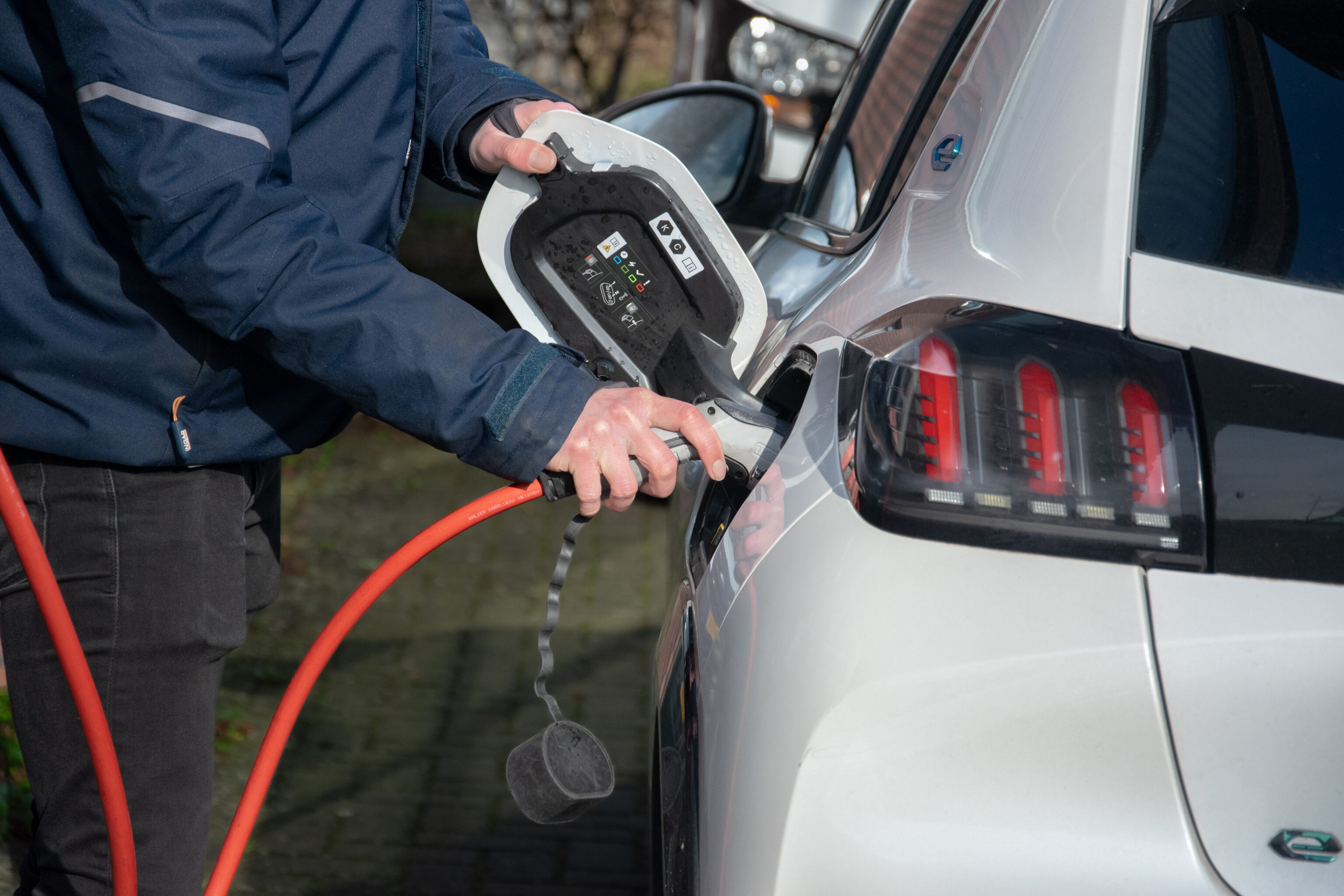
From 1 January 2027, the Dutch government is introducing the pseudo-final levy (pseudo-eindheffing). This new tax measure affects how employers provide passenger cars for private use, including commuting. For organisations with a fleet, it’s important to understand now what this change means.
What is the pseudo-final levy?
The pseudo-final levy is an extra employer levy on fossil-fuel cars used privately by employees. It covers petrol, diesel, hybrid and plug-in hybrid cars, but not fully electric vehicles.
The levy is 12% of the car’s list price, including VAT and BPM, and is paid entirely by the employer. These costs can’t be passed on to the employee.
Example:
A petrol car of € 40,000 means € 4,800 in extra tax per year for the employer (that’s € 400 per month).
Thinking about switching to electric vehicles? Check out our full range of electric cars.
Which cars are covered by the pseudo-final levy?
Exemptions: who isn’t covered?
Some cars and situations are exempt from the pseudo-final levy:
- Fully electric cars and hydrogen cars are exempt
- Freelancers and sole traders without staff, who don’t withhold payroll taxes, are in principle not covered.
- Commercial vehicles with grey number plates (such as vans) are excluded.
Cars that are covered by the pseudo-final levy:
Existing contracts: cars linked before 1 January 2027 fall under a transitional arrangement until 17 September 2030.
Type of vehicle: petrol, diesel or (plug-in) hybrid passenger cars.
Private use: cars driven more than 500 kilometres a year privately, including commuting.
New contracts: cars newly linked to a company from 1 January 2027.
Transitional arrangement until 2030
A transitional period applies until 17 September 2030:
- Cars already in use by the employer before 1 January 2027 are temporarily exempt from the pseudo-final levy.
- If the car is transferred to a new employer, the exemption lapses and the levy applies.
Impact on your organisation and fleet
The pseudo-final levy significantly increases the cost of fossil-fuel lease cars and encourages the switch to electric vehicles.
Organisations that want to plan smartly can:
- Analyse your fleet and switch to electric cars where possible.
- Review your mobility policy, for example through mobility budgets.
- Adjust your financial planning to absorb the extra costs.
- Keep your admin in order to demonstrate correct use and whether the levy applies.
Tips for dealing smartly with the pseudo-final levy
With the right preparation, you can keep the extra costs of the pseudo-final levy down. These tips will help you get started:
- Map out current contracts: note for each car when the contract ends and whether the car falls under the transitional arrangement until 17 September 2030.
- Go electric for new cars: fully electric cars are exempt, so you avoid the levy of 12% of the list price.
- Keep an airtight mileage log: if it can be shown that no more than 500 kilometres a year are driven privately (including commuting), the levy doesn’t apply.
- Stay flexible with shortlease: with a short term, you’re not stuck with a fossil-fuel car for years and can respond quickly to new rules.
- Inform your employees in good time: explain what’s changing and what choices they have, so the switch goes smoothly.
Conclusion
The pseudo-final levy from 2027 has a direct impact on businesses with fossil-fuel vehicles in their fleet. By anticipating in good time and making strategic choices for electric mobility, employers can save costs while contributing to sustainability.
Organisations that review their fleet policy can soon benefit from lower costs and a cleaner fleet.
Wondering what the pseudo-final levy means for your fleet?
Got questions about the pseudo-final levy, or want to know how your business can benefit from electric mobility? Get in touch at info@supershortlease.nl and one of our team will get back to you as soon as possible.
Electric driving: now is the time
Index
About the author
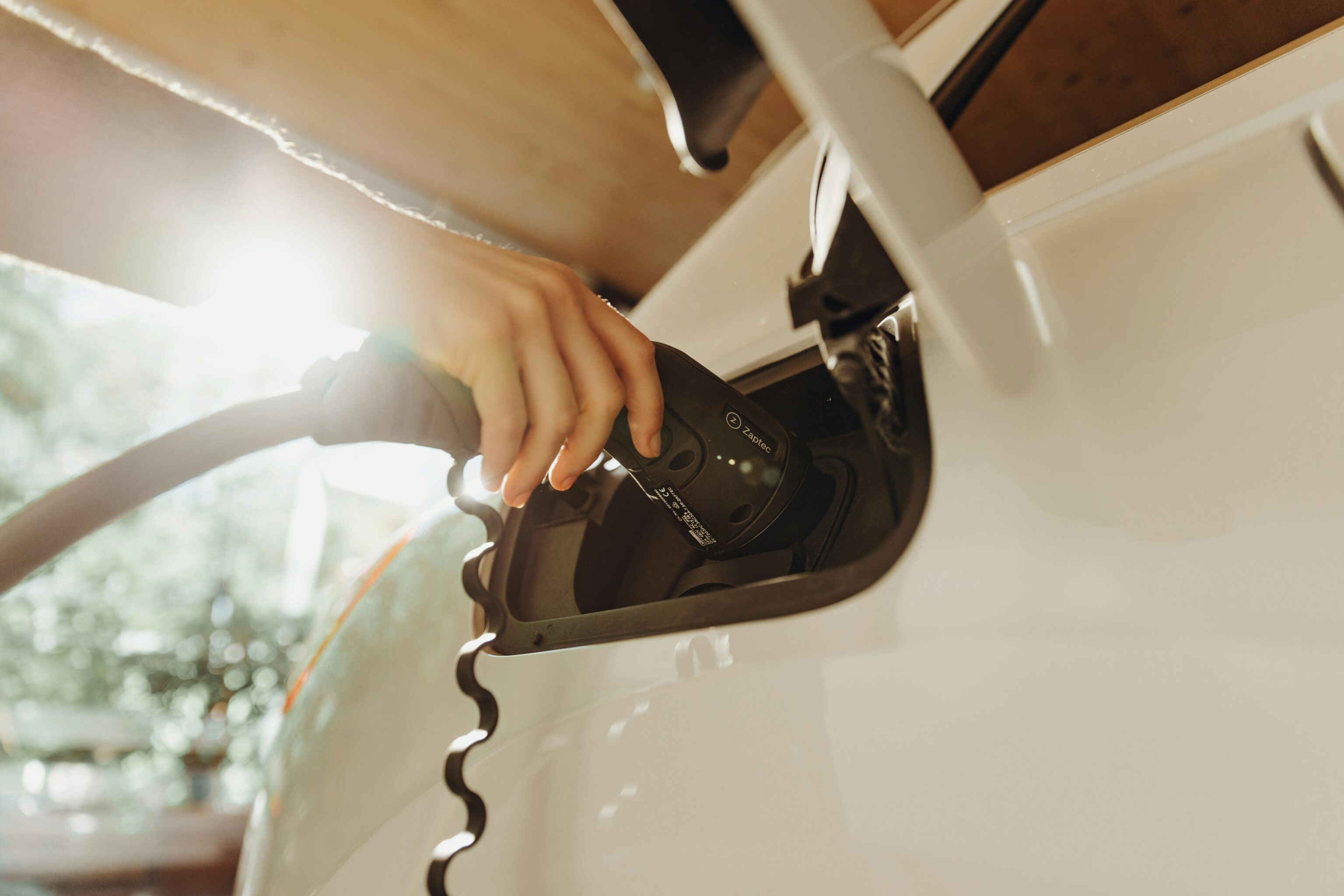
The tax benefits for electric cars are disappearing faster than you think. While electric driving has been attractive in recent years thanks to lower benefit in kind and tax breaks, that’s going to change quite a bit in the years ahead.
For you as an employer or business owner, now is the time to look ahead smartly.
What exactly is changing?
Benefit in kind from 2026
From 2026, you’ll pay the same benefit-in-kind rate for electric cars as for petrol cars: 22% of the full list price. Right now, you still benefit from 17% benefit in kind on the first €30,000.
Road tax (MRB)
Up to and including 2025, electric cars are exempt from road tax. But from 2026, you’ll pay 25% of the normal rate, rising to 100% in 2030.
Extra levy from 2027
For non-electric company cars, the government is planning an extra tax measure on top of the existing benefit in kind. If this goes ahead, petrol and diesel will become even more expensive for employers.
What does this mean for you as an employer?
If you don’t change anything, your fleet will simply get more expensive. On top of that, your employees still benefit from a considerably lower benefit in kind on electric driving right now. And because the rules are getting stricter, it’s smart to start taking steps now – but in a way that suits you.
Two smart routes forward
1. Start flexibly with SuperShortlease
Not sure yet whether electric driving suits your business? Then SuperShortlease is ideal. You choose short terms and maximum flexibility. That way, you can find out without being tied in for long:
- How does electric driving work in practice?
- Does it fit your transport needs and charging options?
- Which models work best for your employees?
2. Commit for longer with Rebel Lease
Already sure you want to keep driving electric? Then Rebel Lease is the logical next step. If you sign a contract before 2026, you’ll keep benefiting from the 17% benefit in kind for a long time. That locks in the advantages for several years while the rules change.
Why getting in now is smart
- Waiting costs money: the longer you wait, the higher the benefit in kind and tax burden.
- Availability: electric models are getting more and more popular and are becoming scarce faster.
- Ready for the future: from 2027, the plan is to tax non-electric cars extra.
Conclusion
Electric driving is no longer a question of if, but of when and how.
Want to drive electric flexibly first to find out what suits you? Choose SuperShortlease. Already sure you want to drive electric? Then lock in your advantage now with Rebel Lease.
Book an advice session today and find out what works best for your organisation.
Need help?
Our team is happy to help. Send us a WhatsApp, give us a call or drop us an email, or find the answer straight away in our FAQs.
WhatsApp us
+31 6 29518248
Call us
+31 88 996 0100
Email us
A quick answer to your question
FAQs
Read the answers
Related articles
Compare our competitive deals
- Flexible from 1 month
- Personal service, sorted quickly
- Switch to electric with ease
Questions about short lease? Gideon is happy to help you get started!
We are happy to work with you to find a suitable short lease solution.
Brands
A selection of our brands
We supply all brands and all classes of passenger cars and commercial vehicles. Whether you are looking for a BMW, Audi, Tesla or Volvo.
Kia
Renault
Volkswagen
BMW
Skoda
Volvo
Categories
SUV
Hatchback
Estate
Van
Saloon
Minibus
SUV
Hatchback
Estate
Van
Saloon
Minibus
SUV
Hatchback
Estate
Van
Saloon
Minibus
Blankenburg Tunnel: setting up electronic toll payment
Index
About the author
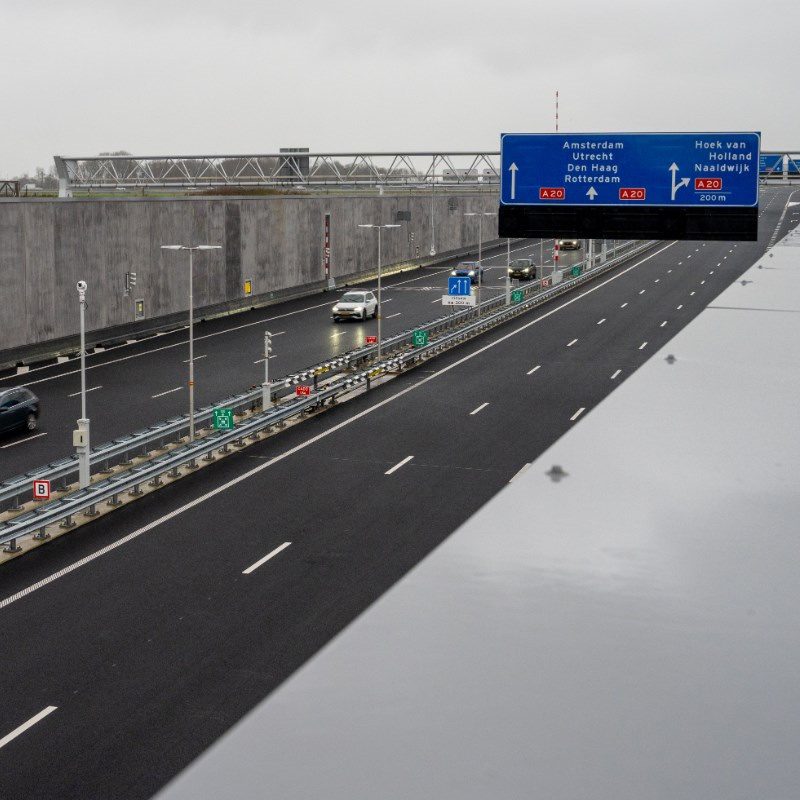
What does this mean for you as a shortlease driver?
If you regularly use the Blankenburg Tunnel, the toll charge comes to us as the owner of the car. We then have to process each trip manually, which means extra work and costs. That’s why (as previously communicated) from 1 July 2025 we’re introducing an admin fee of € 10 excl. VAT per toll charge when we have to handle it on your behalf.
Of course, we’d like to avoid this as much as possible – and luckily, there’s a simple solution.
Set up your own toll payment via MOVE-IZI or e-tol.nl
Use the A24 more often? Then we recommend setting up electronic toll payment yourself:
- MOVE-IZI: automatic payment via number plate recognition.
- e-tol.nl: manual payment before, or up to 3 days after, using the tunnel.
If you sort this yourself, you’ll receive the toll charge directly and we won’t have to process separate invoices any more. That way, you avoid admin fees and we help each other keep the process simple and clear.
In short
- Regularly use the A24? Then sort your own toll payment via MOVE-IZI or e-tol.nl.
- From 1 July 2025: € 10 admin fee per toll charge that we process manually.
- Avoid extra costs and keep it simple – for you and for us.
Got questions, or want help setting up electronic toll payment? Feel free to get in touch. We’re happy to help.
Need help?
Our team is happy to help. Send us a WhatsApp, give us a call or drop us an email, or find the answer straight away in our FAQs.
WhatsApp us
+31 6 29518248
Call us
+31 88 996 0100
Email us
A quick answer to your question
FAQs
Read the answers
Related articles
Compare our competitive deals
- Flexible from 1 month
- Personal service, sorted quickly
- Switch to electric with ease
Questions about short lease? Gideon is happy to help you get started!
We are happy to work with you to find a suitable short lease solution.
Brands
A selection of our brands
We supply all brands and all classes of passenger cars and commercial vehicles. Whether you are looking for a BMW, Audi, Tesla or Volvo.
Kia
Renault
Volkswagen
BMW
Skoda
Volvo
Categories
SUV
Hatchback
Estate
Van
Saloon
Minibus
SUV
Hatchback
Estate
Van
Saloon
Minibus
SUV
Hatchback
Estate
Van
Saloon
Minibus
Damage prevention for (short)lease cars: insights from Allianz
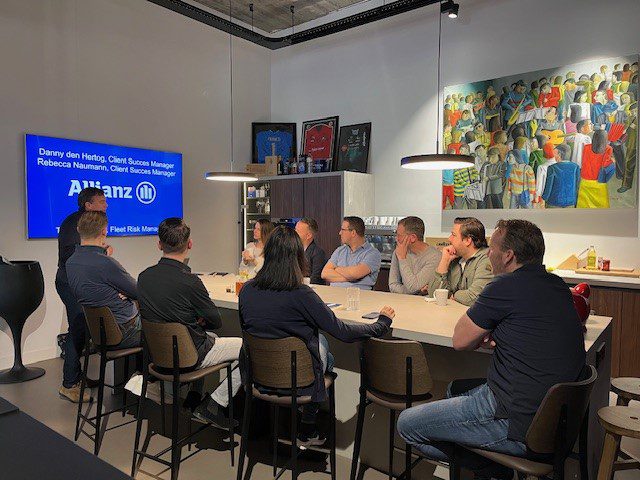
We’ve rounded up the key tips and insights from this session especially for you as a (short)leaser. Because however short your lease: preventing damage is always better than repairing it.
1. Use driver assistance systems mindfully
Modern lease cars come with increasingly advanced ADAS systems, such as emergency brake assist, lane-keeping assist and adaptive cruise control. These systems actively help you prevent damage. But remember: they support your driving – they don’t take it over. By using them mindfully and knowing how they work, you’ll drive more safely and more comfortably.
2. Avoid distractions
Distraction on the road is one of the biggest causes of damage. Allianz recommends switching your smartphone off completely while driving – even if you think you can ‘just quickly check something’. Complex navigation and infotainment systems can be distracting too. Go for clear, simple systems and set your route before you leave.
3. Learn to anticipate actively
A key message from the session: the further ahead you look, the safer you drive. By anticipating actively – for example, spotting well in advance when you’ll need to change down or brake – you avoid sudden reactions. That means not only less damage, but also a calmer, more economical drive.
4. Prevent storm and vandalism damage
A lot of damage happens while the car is parked: storm damage from falling branches, vandalism in unsupervised car parks or theft of loose parts. So park in safe, well-lit places where possible, keep an eye on your surroundings and remove loose items from your dashboard or seats.
5. Keep checking your car
Whether you drive for a week or a year: regularly checking tyre pressure, lights and fluids helps prevent damage or breakdowns. That’s especially important if you make lots of short trips. Tip: always do a quick walk round your car before you set off.
6. Invest in knowledge and awareness
Allianz stresses that damage prevention doesn’t just start in the car, but with mindful driving behaviour. Think of e-learning modules, defensive driving courses or targeted information at handover. Especially for fleets or frequent drivers, this is a valuable investment in safety and cost control.
What does SuperShortlease do?
At SuperShortlease, we take damage prevention seriously – even though our concept is all about flexibility. That’s why we:
- Select cars with modern safety and assistance systems
- Give tips at handover and through our customer service team
- Work closely with insurers such as Allianz for fast claims handling
- Help find solutions for repeated or common damage
In summary: 6 steps to less damage
- Use ADAS systems mindfully and responsibly
- Minimise distractions (smartphone off!)
- Anticipate and look further ahead on the road
- Park safely and prevent damage while parked
- Regularly check tyres, lights and oil
- Build your knowledge through training or e-learning
Got questions about claims handling, want advice on prevention, or curious how Allianz approaches this? Feel free to get in touch with your contact person at SuperShortlease. We’re happy to help.
Need help?
Our team is happy to help. Send us a WhatsApp, give us a call or drop us an email, or find the answer straight away in our FAQs.
WhatsApp us
+31 6 29518248
Call us
+31 88 996 0100
Email us
A quick answer to your question
FAQs
Read the answers
Related articles
Compare our competitive deals
- Flexible from 1 month
- Personal service, sorted quickly
- Switch to electric with ease
Questions about short lease? Gideon is happy to help you get started!
We are happy to work with you to find a suitable short lease solution.
Brands
A selection of our brands
We supply all brands and all classes of passenger cars and commercial vehicles. Whether you are looking for a BMW, Audi, Tesla or Volvo.
Kia
Renault
Volkswagen
BMW
Skoda
Volvo
Categories
SUV
Hatchback
Estate
Van
Saloon
Minibus
SUV
Hatchback
Estate
Van
Saloon
Minibus
SUV
Hatchback
Estate
Van
Saloon
Minibus